Jeffrey Sachs Awarded 2022 Tang Prize in Sustainable Development for Leading Transdisciplinary Sustainability Science

MP Admin • June 24, 2022

18 June 2022, Taipei: In the first of four consecutive announcements, the Tang Foundation announced the winner of the 2022 Tang Prize in Sustainable Development, Prof. Jeffrey D. Sachs. The Tang Prize is an international academic award set up to create a better world for all of humanity. A world-renowned professor in economics who has made great contributions to the establishment and promotion of the UN Sustainable Development Goals (SDGs), Prof. Sachs served as Special Advisor to three UN Secretaries-General, and is currently Director of the Center for Sustainable Development at Columbia University and President of the UN Sustainable Development Solutions Network (SDSN). He is awarded for “leading transdisciplinary sustainability science and creating the multilateral movement for its applications from village to nation and to the world,” according to the selection committee’s citation. 


Contributions of Jeffrey Sachs to the field and practice of sustainable development


Humankind is confronted with many tough challenges, including environmental pollution; extreme weather events; the energy crisis; shocks to our physical, social, and economic wellbeing caused by the COVID-19 pandemic; and food shortages and raging inflation exacerbated by regional confrontations. As an eminent economist of international distinction, Prof. Sachs has conducted ground-breaking research in many areas, such as debt crises, hyperinflations, transition from central planning to market economies, and eradication of extreme poverty. Moreover, when addressing complex issues related to global sustainable development, he has combined the fields of global economics, public health, equity, and sustainability to pioneer a multidisciplinary approach to solving these problems, transforming sustainable development into an integrated field of study and practice. His outstanding scholarship, advice to world leaders, educational innovation, and efforts in the global advocacy and realization of sustainable development have proven him to be a true leader of great vision, profound influence, and imbued with deep humanistic concern.


An example of his pioneering innovative transdisciplinary approach to these issues can be found in his engagement with the Millennium Villages Project, which he chaired on behalf of UN Secretary-General Kofi Annan from 2002 to 2006. He was tasked with developing a concrete action plan to attain the eight Millennium Development Goals (MDGs) using best practices in science, technology, and public policy. Prof. Sachs was also in charge of the UN Millennium Village Project (MVP), which was implemented from 2006-2015 after the UN General Assembly adopted the key recommendations of the Millennium Project at a special session in September 2005. The MVP aimed to help rural Africa and was carried out in ten countries including Senegal, Nigeria, and Ethiopia. During these ten years, a range of notable successes were achieved, including raising agricultural production, reducing child stunting, and cutting child mortality rates, affecting the lives of more than half a million people. The key concepts of the MVP to integrate rural development to achieve the MDGs are now being adopted by many other countries to help support national anti-poverty programs.   


Prof. Sachs’ pursuit to achieve the MDGs led to his engagement with the Sustainable Development Goals (SDGs) from their very inception at the “Rio+20” conference in June 2012. The 17 SDGs provide the blueprint for creating a more sustainable future for all and address many global challenges, including poverty, inequality, climate change, and environmental degradation. To promote the SDGs, in 2012, Prof. Sachs established the Sustainable Development Solutions Network (SDSN), a global consortium of universities and think tanks under the auspices of then-UN Secretary-General Ban Ki-moon, which functions as the largest global knowledge-based network to help countries achieve the SDGs. The SDSN has produced many highly influential reports, conducted academic studies, offered online courses, and held hundreds of SDG-related meetings around the world each year. The SDSN now has over 1600 member institutions in 47 networks across 137 countries. 


With regard to combating anthropogenic climate change, Prof. Sachs saw the crucial importance of a long-term policy framework for climate control. He headed a global study on “deep decarbonization” which resulted in the highly influential “Pathways to Deep Decarbonization” report. The report lays out concrete and viable plans regarding issues like energy transition, industrial transformation, technological innovation, and governance mechanisms to enable 15 major carbon emitters to achieve deep decarbonization. Presented to Ban Ki-moon in September 2014, the report demonstrates how, during the decades leading to 2050, these 15 countries can find their own pathways to decarbonization that are compatible with their economic growth targets and technically feasible. Subsequently, many countries have taken on board this idea and designed their deep decarbonization pathways.      

Prof. Sachs’ participation in the promotion of the Paris Agreement has been vital. He has long helped to formulate core policy concepts for global climate control as a scholar and an academic leader. During the intensive phase of negotiating the Agreement, he worked behind the scenes with France, the US, and many other governments to support the design and adoption of the Paris Agreement. The SDGs and the Paris Agreement on Climate Change have been hailed as the two essential pillars for the world to achieve sustainable development, and Prof. Sachs has played a unique role in both.


As one of the world’s leading experts on economic development, global macroeconomics, and the fight against poverty, Prof. Sachs has advised many heads of states and governments on complex economic challenges, including ending high inflations (Bolivia, Peru, Poland), negotiating debt relief (Bolivia, Brazil, Poland, and others), adopting market economic reforms (Poland, Russia), introducing new national currencies (Estonia, Slovenia), promoting regional development (China), and scaling up health systems (Ethiopia, Ghana, India, and many others). He has been awarded by several countries their highest honors for his board-based support of their economic reforms. 

 -

About Jeffrey Sachs

Born in Detroit, Michigan in 1954, Jeffrey Sachs received his BA, MA, and PhD degrees in economics from Harvard University. He is Director of the Center for Sustainable Development at Columbia University and President of the UN Sustainable Development Solutions Network and has served as Special Advisor to three UN Secretaries-General. He is a recipient of numerous awards and honors, including the Knight of the National Order of the Legion of Honor (by decree of the president of the French Republic), the Sustainable Development Leadership Award from India’s TERI (The Energy and Resources Institute), and Japan’s Blue Planet Award. He has also received 40 honorary degrees from universities all over the world. His published papers and books number in the hundreds, including three New York Times bestsellers: The End of Poverty, Common Wealth: Economics for a Crowded Planet, and The Price of Civilization: Reawakening American Virtue and Prosperity   


About the Tang Prize

Since the advent of globalization, mankind has been able to enjoy the convenience brought forth by the advancement of human civilization and science. Yet a multitude of challenges, such as climate change, the emergence of new infectious diseases, wealth gap, and moral degradation, have surfaced along the way. Against this backdrop, Dr. Samuel Yin established the Tang Prize in December 2012. It consists of four award categories, namely Sustainable Development, Biopharmaceutical Science, Sinology, and Rule of Law. Every other year, four independent and professional selection committees, comprising many internationally renowned experts, scholars, and Nobel winners, choose as Tang Prize laureates people who have influenced and made substantive contributions to the world, regardless of ethnicity, nationality or gender. A cash prize of NT$50 million (approx. US$1.7 million) is allocated to each category, with NT$10 million (approx. US$ 0.35 million) of it being a research grant intended to encourage professionals in every field to examine mankind’s most urgent needs in the 21st century, and become leading forces in the development of human society through their outstanding research outcomes and active civic engagement.


________________

via SDSN Secretariat, June 20, 2022

By MPA Admin September 1, 2025
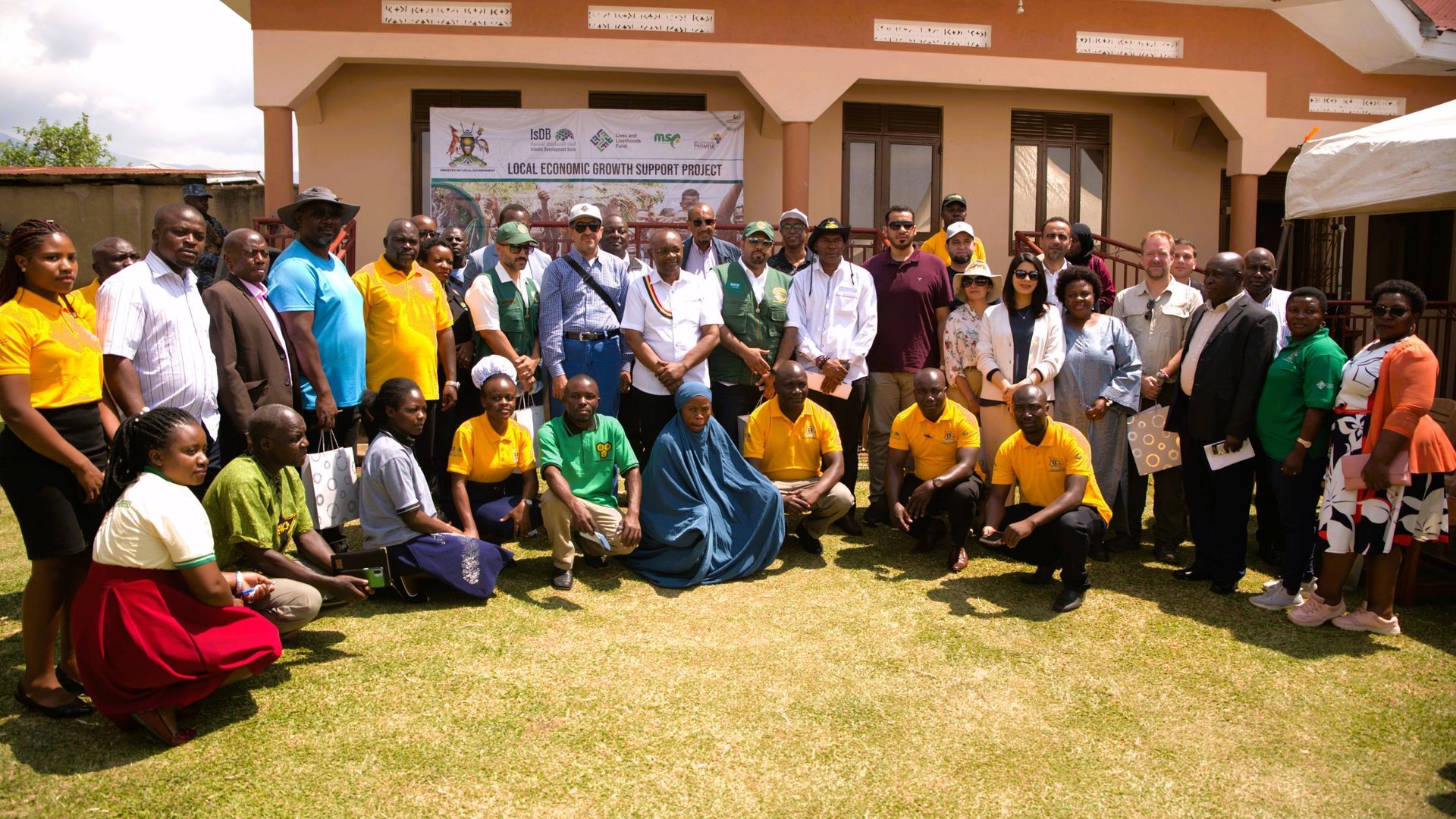
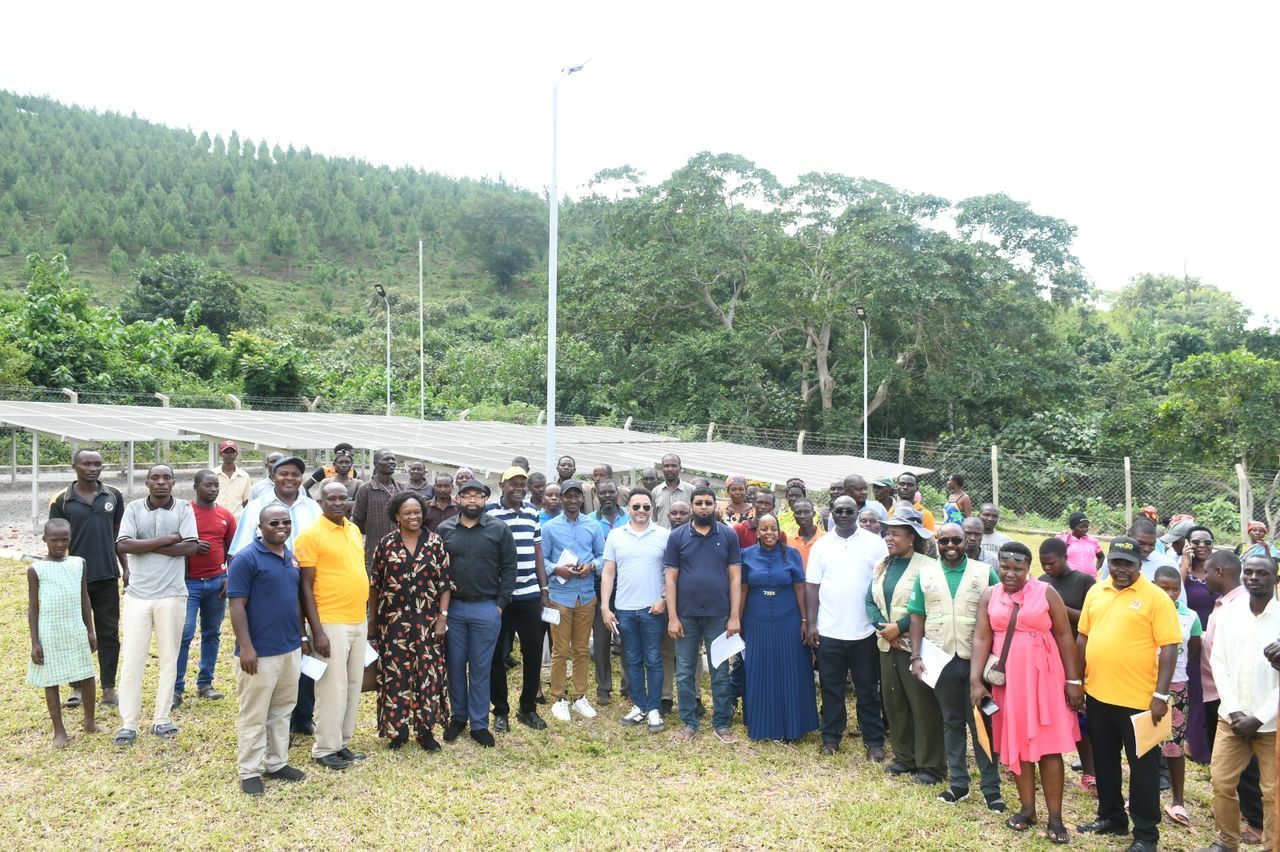
The Government of Uganda, through the Ministry of Local Government , is set to expand the Local Economic Growth Support (LEGS) project from 17 to 55 districts, marking a major milestone in strengthening community resilience and livelihoods. The Ministry of Local Government, together with the Islamic Development Bank (IsDB) and the Lives and Livelihoods Fund (LLF) , led an appraisal mission in July 2025 to review the achievements of LEGS I and hear directly from communities. Supported by the Islamic Development Bank and the Lives and Livelihoods Fund, the LEGS project strengthens rural livelihoods through coordinated investments in agriculture and natural resource management, including expanded water access for households and production, improved market infrastructure, and greater availability of affordable microfinance. As part of the recent assessment, the delegation engaged with district officials, project beneficiaries, and implementation staff to review progress to date. Findings from these consultations will inform the design of Phase II, with a focus on scaling climate resilience and ensuring durable impact . Community Transformation in Action From safe, piped water in Kyejonjo and Katakwi , to new solar mini-grids powering cooperatives in Magoro , LEGS has already demonstrated how integrated infrastructure and livelihoods support can change lives. Health centers now have reliable water, youth cooperatives are saving and reinvesting in local businesses, and women farmers are using climate-smart tools to increase yields and income. Millennium Promise Alliance: Partnering for Scale As an implementing partner, Millennium Promise Alliance plays a central role in coordinating service delivery, providing technical expertise, strengthening monitoring and evaluation systems, and integrating climate-smart agriculture and sustainable livelihoods into local government plans. In this project, MPA Uganda works closely to support the Ministry of Local Government Uganda. MPA ensures that project investments translate into measurable impact aligned with the Sustainable Development Goals (SDGs). During the appraisal mission to guide the forthcoming scale-up, Mr. Samuel Travis , MPA’s Director of Corporate Affairs , and Dr. Seth Ohemeng Dapaah , Director of Monitoring, Evaluation, and SDGs , joined stakeholders in the field to review progress and meet with community beneficiaries. They were welcomed by Dr. David Siriri , Country Director , Millennium Promise Alliance Uganda, whose leadership on the ground has been instrumental in driving results in Uganda. “Our work is about ensuring investments reach people where they live; turning financing into energy for households and businesses, equipment for farmers, and opportunities for young entrepreneurs,” said Mr. Travis , noting the importance of partnerships in sustaining results. Dr. Dapaah emphasized the learning agenda: “By strengthening monitoring and evaluation, we ensure that communities and policymakers have the data needed to scale what works and adapt where needed. This is how we build resilient systems, not just projects.” Dr. David Siriri also shared, "The expansion of LEGS will reflect what we witness in the field every day: when communities receive the right tools, infrastructure, and support, they accelerate their own development. This success is made possible through strong partnerships between communities, district governments, the Ministry of Local Government, IsDB, LLF, and our team on the ground. As we move into Phase II, our priority is to scale solutions that are already improving lives while ensuring these investments remain sustainable for generations.” The Path Forward With the expansion to 55 districts, LEGS II will prioritize: Climate adaptation through resilient crops, water harvesting, and infrastructure Local governance capacity to manage and sustain investments Financial sustainability via community revenue and cooperative models Impact measurement to capture lessons and scale best practices For the Ministry of Local Government, IsDB, LLF, and implementing partners like MPA and others, this is a blueprint for how integrated, people-centered development can lift rural communities and accelerate Uganda’s progress toward the SDGs. We will provide more news on the impacts and progress of the LEGS project soon.
By Samuel Travis September 3, 2024
The University of Education, Winneba (UEW), in collaboration with the Sustainable Development Solutions Network (SDSN), Ghana hosted the maiden international symposium on SDGs on Wednesday June 19, 2024. The symposium used a participatory approach to engage a wide range of stakeholders to discuss, review and share data on Ghana’s SDGs achievements. Some of the issues discussed included Climate change, eco-sustainability and livelihood through the prism of the SDGs, Achieving sustainability through innovation, technology and empowerment, leveraging technology, innovation and digitalization to initiate new possibilities on the SDGs in Ghana and a panel discussion on empowering communities to own the SDGs through school curricula and social campaign. Prof. Stephen Jobson Mitchual, Vice-Chancellor (known elsewhere as President) of UEW, in his welcome address emphasized the university's commitment to sustainability through education, research, and community engagement. He highlighted the partnership between UEW and SDSN as a testament to their dedication to sustainable development. Prof. Mitchual expressed UEW's readiness to collaborate with other universities globally to mobilize scientific and technological expertise and resources for implementing the SDGs.
Lives & Livelihood Fund visit Local Economic Growth Support Project
By Samuel Travis September 4, 2023
The Ministry of Local Government, Uganda, hosted a 13-member senior delegation from the Lives and Livelihoods Fund (LLF) from August 14–18, 2023. The 5-day working visit was organized under the LLF-supported initiative, titled, Local Economic Growth Support (LEGS) Project, co-financed by the Government of Uganda through the Ministry of Local Government. The Project is executed through the Ministry of Local Government with The Microfinance Centre (MSC) and Millennium Promise Alliance, Uganda as an Implementing Partner and Technical Backstopping Consultant. The LEGS project is a collaborative initiative of global partners such as the Abu Dhabi Fund for Development (ADFD), Islamic Development Bank (IsDB), the Bill & Melinda Gates Foundation, the Islamic Solidarity Fund for Development (ISFD), and King Salman Humanitarian Aid and Relief Centre (KSrelief). The LEGS Project covers 17 Districts of Uganda including Adjumani, Alebtong, Bunyangabu, Buikwe, Buyende, Gomba, Kabarole, Katakwi, Kyenjojo, Kibuuku, Kumi, Luweero, Nakaseke, Ntoroko, Nwoya, Rukungiri and Tororo. The objective of the workshop was to articulate and reinforce the joint efforts of the Fund and the Government of Uganda in prioritizing medium to long-term development goals such as poverty reduction, sustainable development, and climate change management through the LEGS project. The Islamic Development Bank investment in Uganda through the Lives and Livelihoods Fund (LLF) has been a milestone achievement for the country. The Fund started its field activities in 2019 through a US$ 33 million flagship initiative to construct rural infrastructure and $10 million IsDB Rural Finance Scheme loan for the Local Economic Growth Support (LEGS) Project, covering the 17 districts. LLF’s work in Uganda supports a range of direct and indirect sectors, while focusing on three programmatic pillars: agricultural productivity and value chain development sustainable and inclusive economic growth human capital and institutional capacity development The LLF partners witnessed the impacts of LEGS Project during the mission visit. The delegation headed by Dr. Issahaq Umar Iddrisu, Manager Islamic Development Bank Regional Hub Kampala, engaged in senior-level talks with Ministers and Permanent Secretaries of Ministry of Local Government; Ministry of Finance, Planning and Economic Development; Ministry of Tourism, Wildlife and Antiquities; Ministry of Water and Environment; Ministry of Agriculture, Animal Industry and Fisheries; and Ministry of Trade, Industries and Cooperatives. The meetings focused on fostering greater collaboration towards ensuring steady economic growth and sustainable food security in Uganda.
By Samuel Travis August 28, 2023
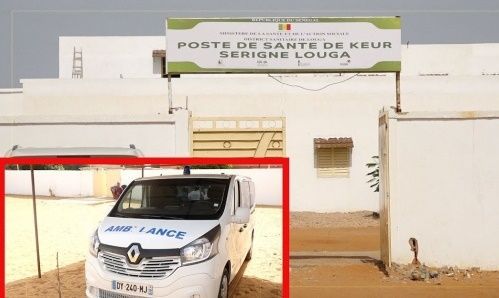
The Support Project for the Development of Female Entrepreneurship and Youth Employment (PADEF-EJ) coordinator, Mame Thierno Gueye and the Governor of Senegal's Louga region, El Hadj Bouya Amar, on Wednesday, August 9th 2023, officially launched an ultra-modern health center in the Keur Serigne Louga district. The health center includes an ambulance, two reception rooms, offices, treatment, observation and hospitalization rooms. The medical post also has a maternity ward, pharmacy, and staff accommodations. Millennium Promise Alliance is supporting PADEF-EJ by providing technical assistance, and implementation of the infrastructures and services components including the establishment of the new health post. The new health infrastructures are a result of a partnership between PADEF-EJ and the Association of Residents of the Keur Serigne Louga district. The center will solve a great obstacle of lack of quality healthcare for the surrounding communities. The center and medical expertise have been well received as up to now, more than 1,700 people have been consulted by practitioners. The health center is also contributing to a reduction in home births, thus far, 27 women haven given birth in the new maternity ward. The project coordinator, Mame Thierno Gueye, declared that PADEF-EJ embraces the State's vision based on the observation that Senegal is faced with a deficit in terms of basic social infrastructure, particularly health. "As part of PADEF-EJ, in partnership with Millennium Promise, the project continued an initiative of emigrants from the Keur Serigne Louga Sud district who had already started to build this building," informed Mr. Gueye. He points out that "the position has made it possible to solve a good part of the problems of home birth in the Keur Seringe Louga district and the surrounding districts".
By Samuel Travis August 25, 2023
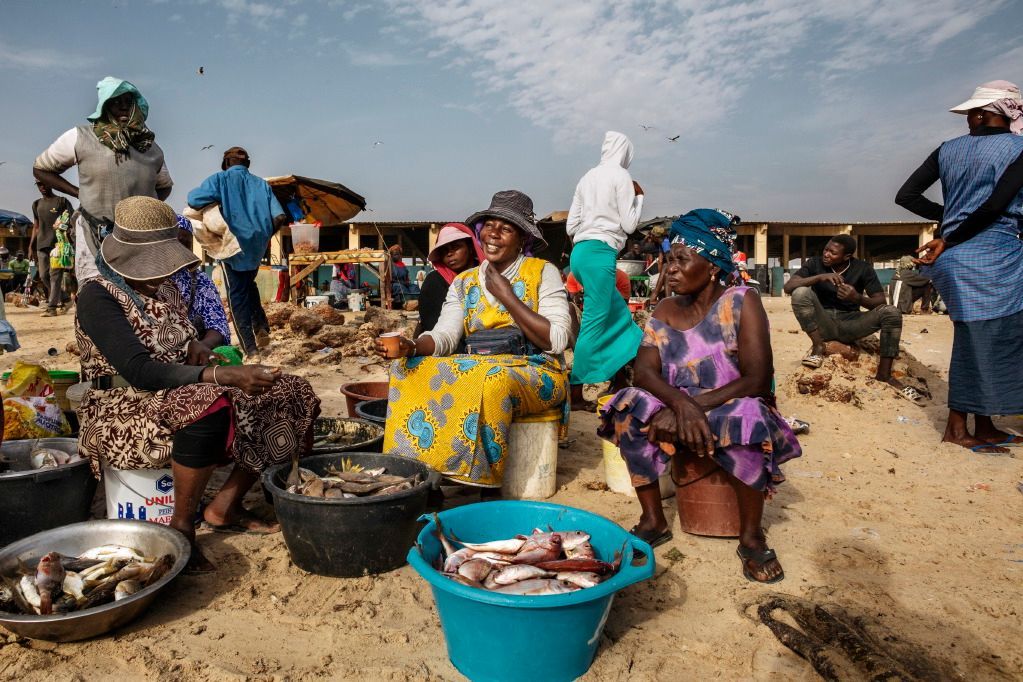
The Support Project for Women's Development and Entrepreneurship and Youth Employment (PADEF-EJ) will soon provide women in the Louga region with an agricultural shopping center and a cereal processing unit worth an estimated 168 million FCFA, as shared on Monday, August 7th, 2023, by head of its value chain, Ms. Seynabou Dia. “We have just visited two infrastructures, an agricultural shopping center and a cereal processing unit, built by PADEF-EJ, which will be made available to women in the Louga region in the coming months,” she declared. Speaking after a visit to these two infrastructures, Ms. Dia indicated that "the rate of execution of the works of the processing unit is at 75%, while that of the agricultural shopping center is at 78%.” These two infrastructures, she said, will be delivered within two months. The cereal processing unit, which is located in the Medina Salam district, is made up of a warehouse for storing raw materials, a processing room, a packaging room, a product storage room, an office for the producers, a point of sale and housing for the concierge. The agricultural shopping center, which is located in the Montagne extension district, it is made up of 60 stores, stalls, and a hall for women to market and sell products more efficiently. Ms. Seynabou Dia specified that, "the beneficiaries are exclusively women from economic interest groups selected on the basis of criteria validated by the regional committee headed by the governor of the Louga region".
By MP Admin June 1, 2023
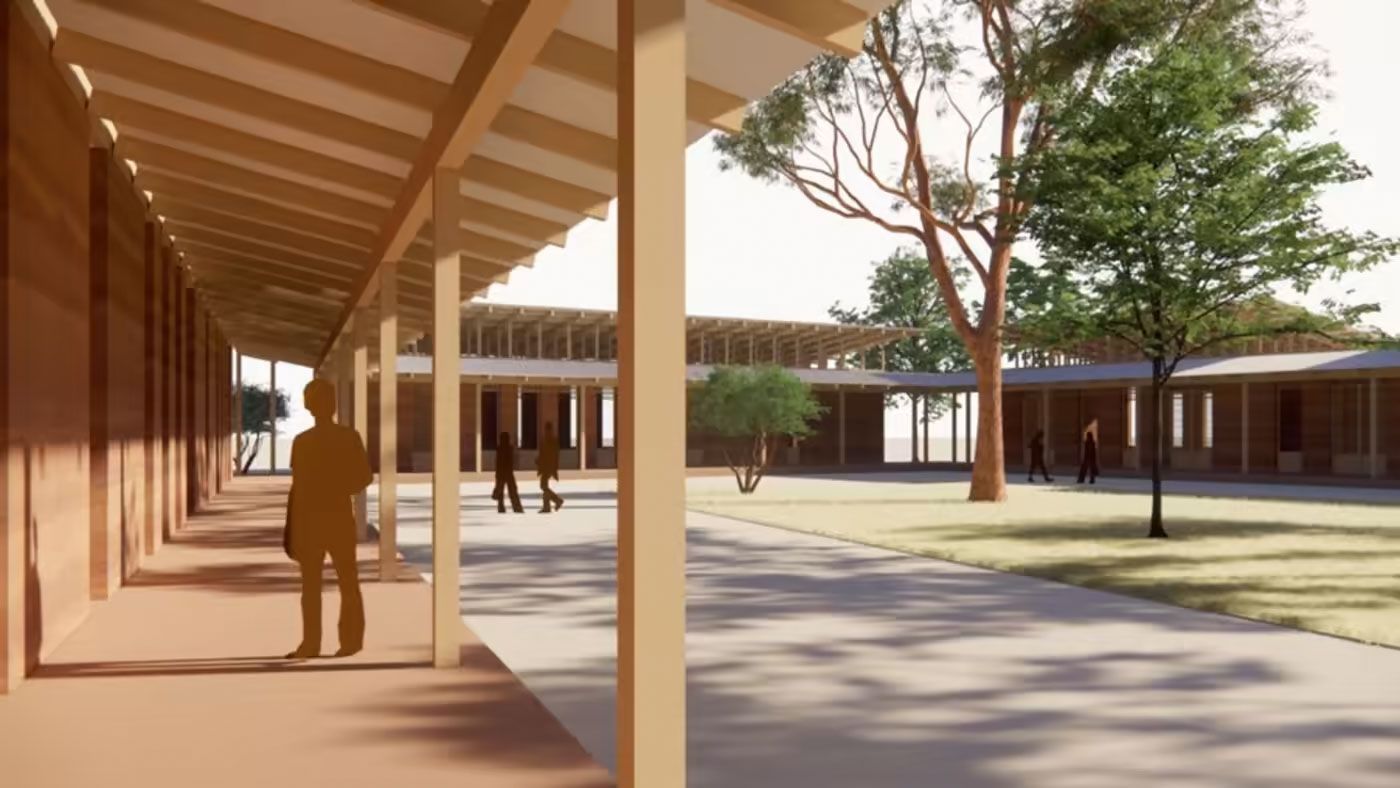
SDG Promise Japan, a Tokyo-based nonprofit organization offering poverty reduction programs and other support measures to vulnerable populations will build a vocational school in Ghana. The world-famous architect Kengo Kuma is designing the school. Known for designing the main stadium of the 2021 Tokyo Olympics, a trip to Africa in 1978 was an eye-opening experience that shaped Kengo Kuma's design philosophy. Now, he is ready to reciprocate by designing the vocational school in Ghana, free of charge. SDGs Promise Japan will lead the construction and project. Millennium Promise Alliance is providing technical support to SDGs Promise for the vocational school project. The Ghana Vocational Training Institute will be built in the town of Manso Nkwanta, in Ghana's Ashanti region. The site is close to where Kuma visited as a graduate student. " The most important trip in my life was to West Africa when I was a graduate student, " Kuma told reporters. He recalled traveling south across Algeria to Niger, facing nothing but desert for days. " It was only when we arrived in Ghana that we came across green plants. It felt like I came home to Japan," he said. "Soil, trees and grass. The basic elements of all my designs were inspired by my trip to Ghana. " The facility comprises classrooms and dormitories set amid lush green trees, where students between 18 and 35 years old will take classes in stonemasonry, plumbing, carpentry, and other vocations -- over three years. The first classrooms will be ready late summer, and the rest will be built in accordance to funds raised for the project. The cost will be covered by the Japanese government's aid programs as well as crowdfunding. The idea is to offer local citizens a path to proper employment, as opposed to taking part in illegal gold mining, which is becoming prevalent in the region.
By MPA Admin March 30, 2023
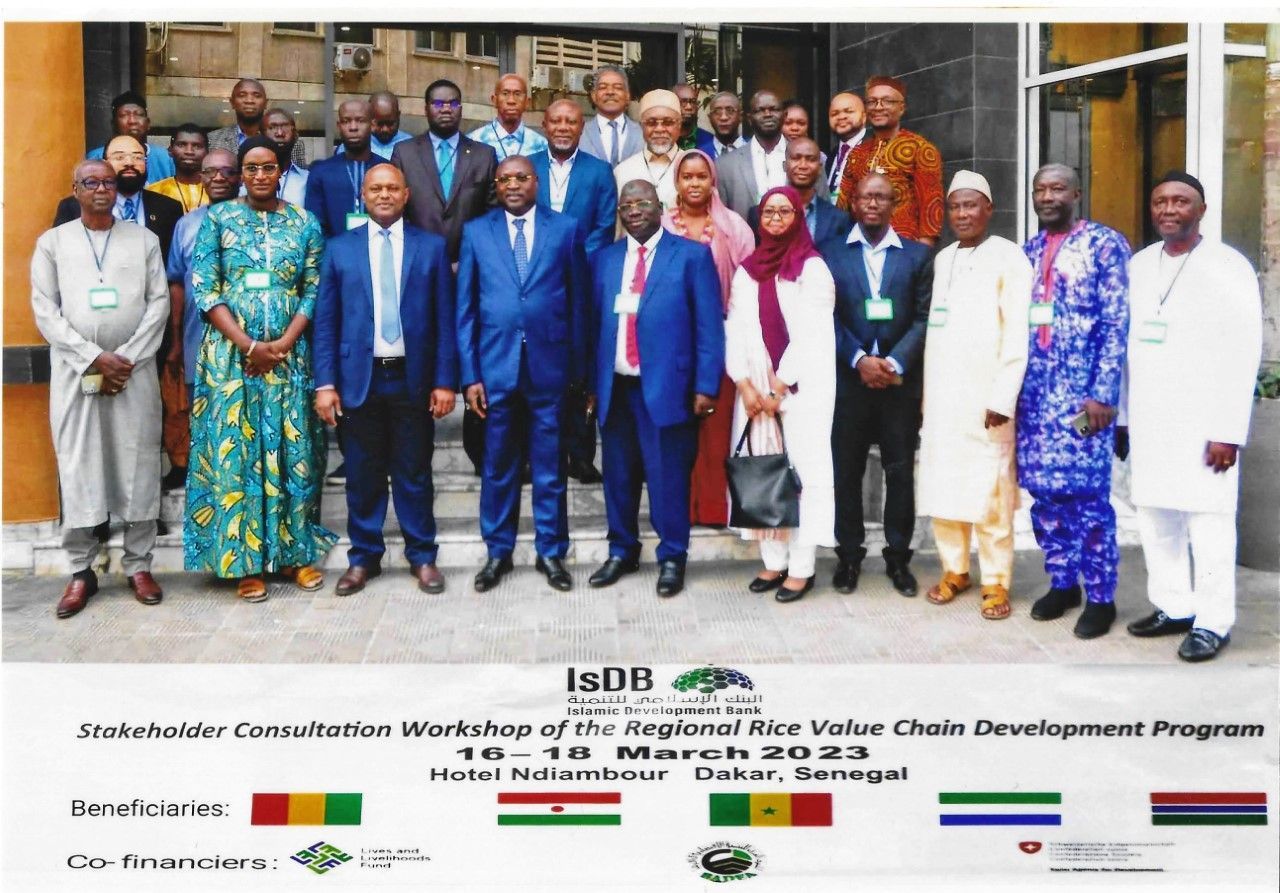
Millennium Promise Alliance attends the IsDB 2023 RRVCP Midterm Review Workshop which took place March 16-18 in Dakar, Senegal
By MP Admin February 28, 2023
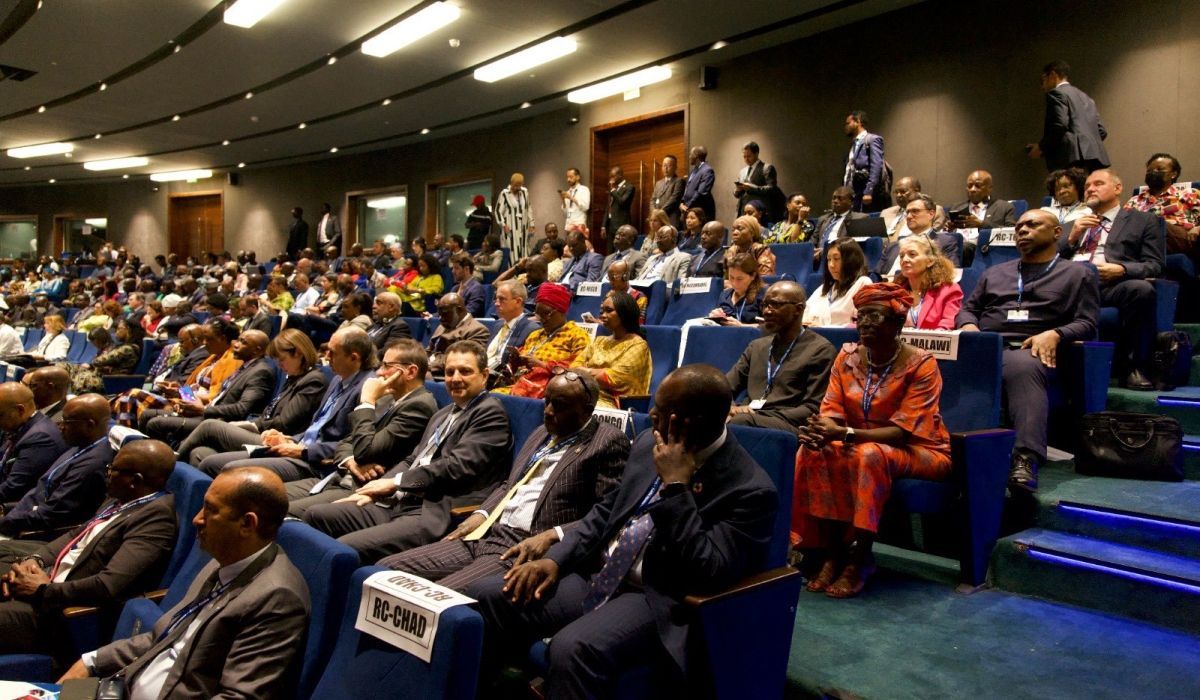
Remarks from the Voluntary National and Local Review Workshop; which was held as a side event of the 9th Africa Regional Forum on Sustainable Development (ARFSD) in Niamey, Niger.
By Samuel Travis September 13, 2022
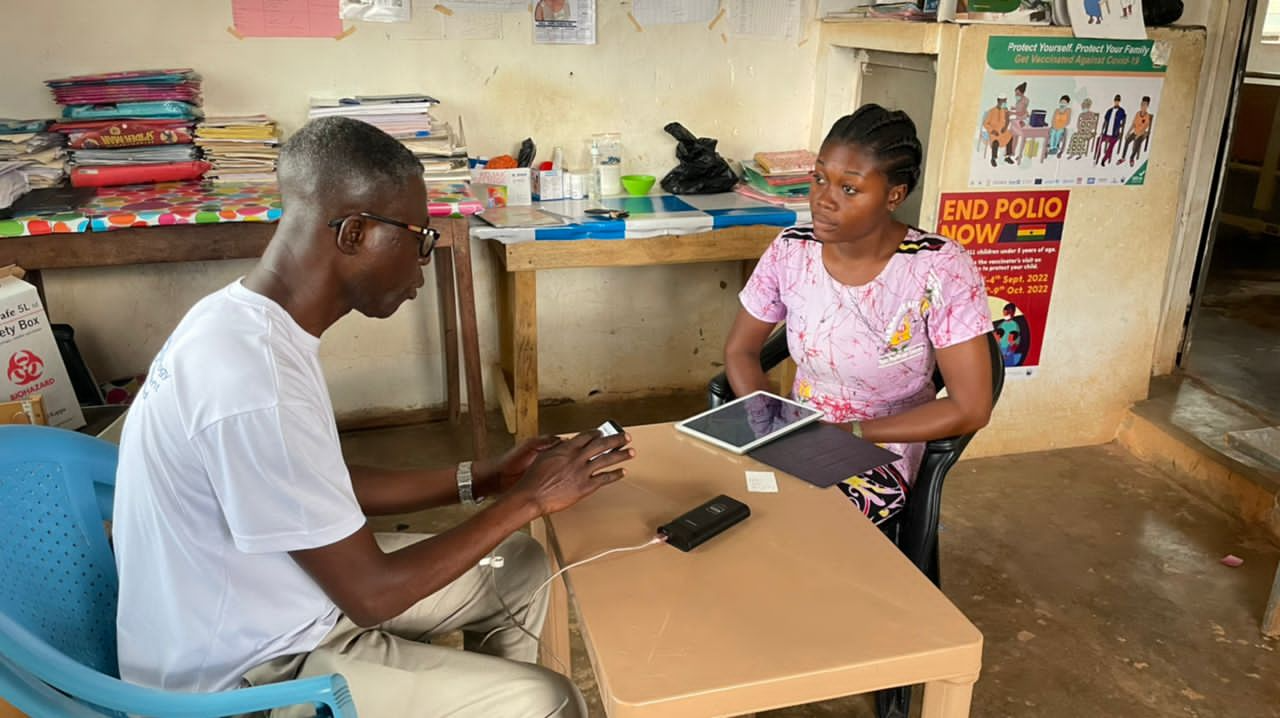
The pilot project is active in more than 10 health facilities in two districts selected by the Ghana Health Service in the country’s Eastern Region.
By MPA Admin September 12, 2022
Dr. Eugene Owusu, Special Advisor on the SDGs to the President of Ghana, and Head of the SDGs Advisory Unit in the Office of the President, recently embarked on a courtesy visit to the Millennium Promise Alliance (MPA) offices in Accra, Ghana. The purpose of the meeting was to discuss new areas of collaboration with MPA and the Sustainable Development Solutions Network (SDSN). Dr. Owusu also serves as Chair of the SDSN Ghana Governing Council . The SDGs Advisory Unit was established in August 2017 to provide technical, policy and strategic support to the President of Ghana in his global role as co-Chair of the UN Secretary General’s Eminent Group of Advocates. The SDG Advisory Unit provides support through its three ' P's ', namely Popularization , educational activities on the SDGs, Policy , analytics and outreach, and Partnership building and programming for accelerated implementation of the Goals. Millennium Promise Alliance looks forward to partnering with Ghana's SDG Advisory Unit for further alignment of our synergies to better support all Ghanaians in the journey to achieve the Sustainable Development Goals.