

Millennium Promise Alliance Ghana - Community Health Workers (CHW) Success Story
MP Admin • June 17, 2020
1.
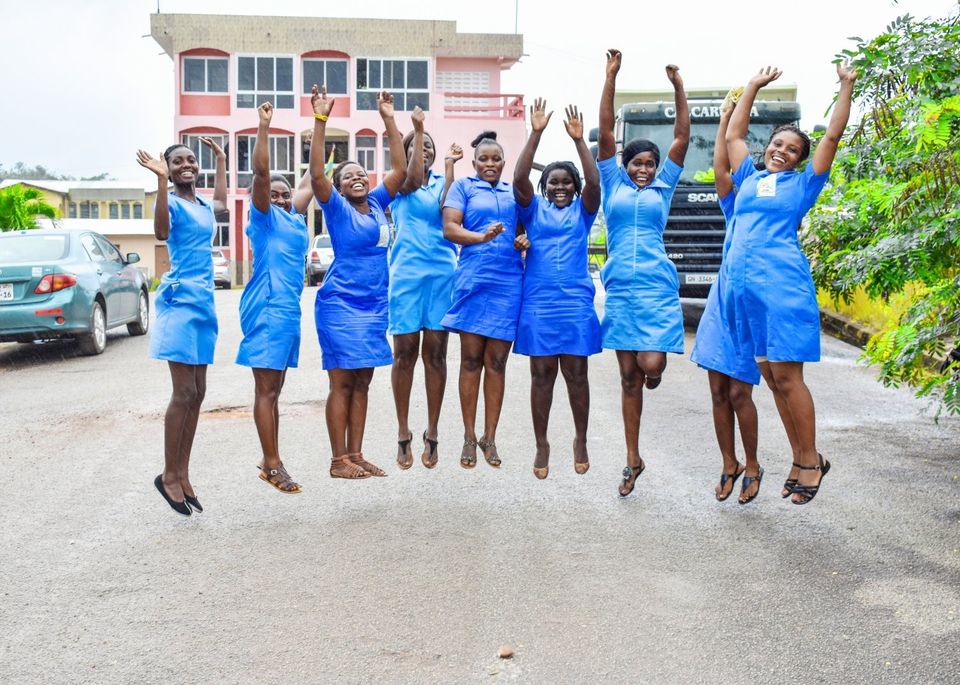
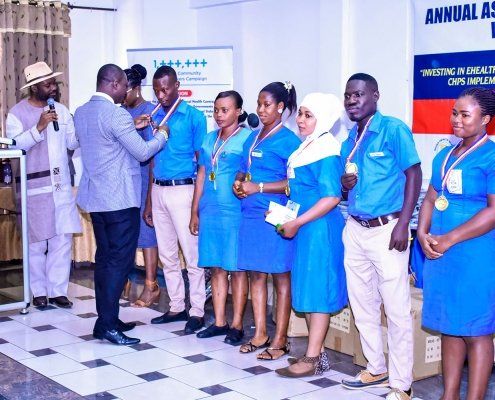
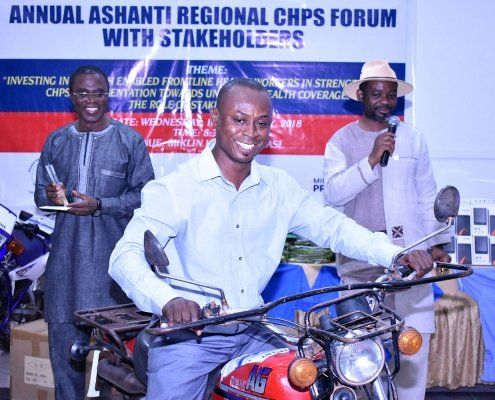
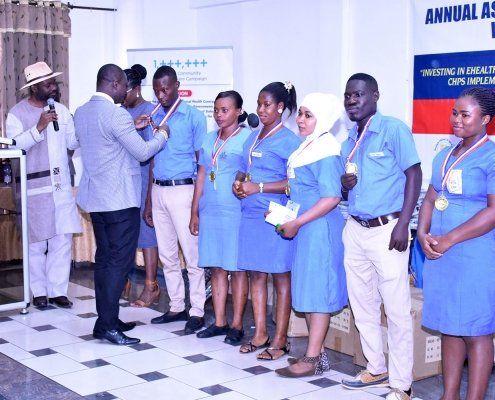
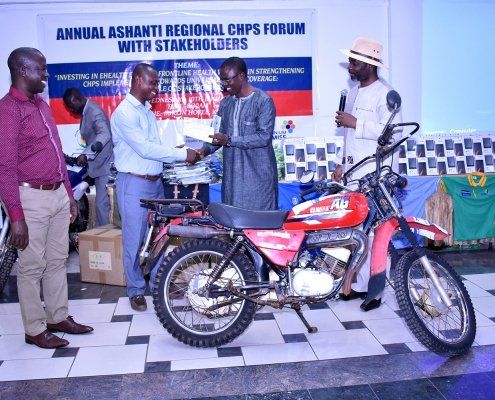
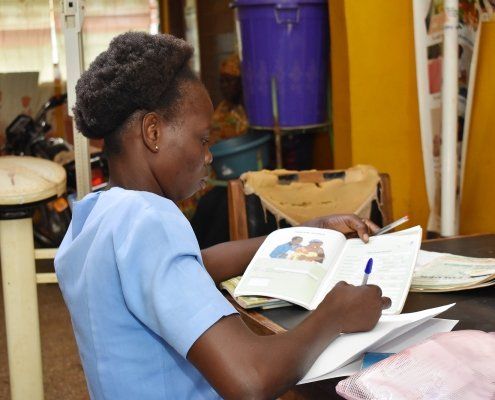
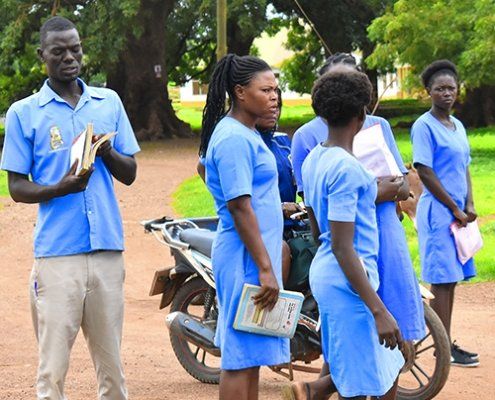
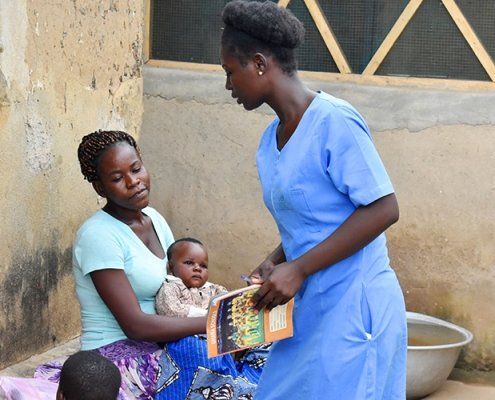
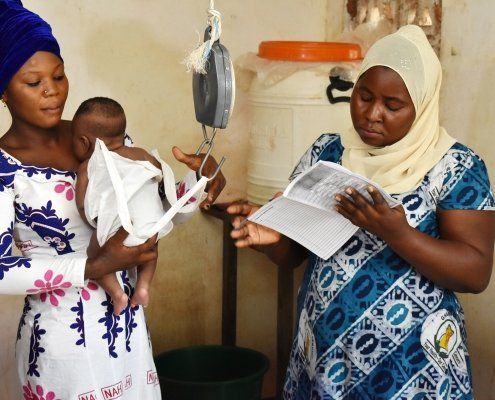
Development of Operational Guidelines for Community Health Workers and COVID-19. MPA is working with the Ghana Health Service to develop a national Operational Guideline on the work of CHWs within the context of COVID-19. This will complement other CHW Guidelines and Training Manuals currently in operation.
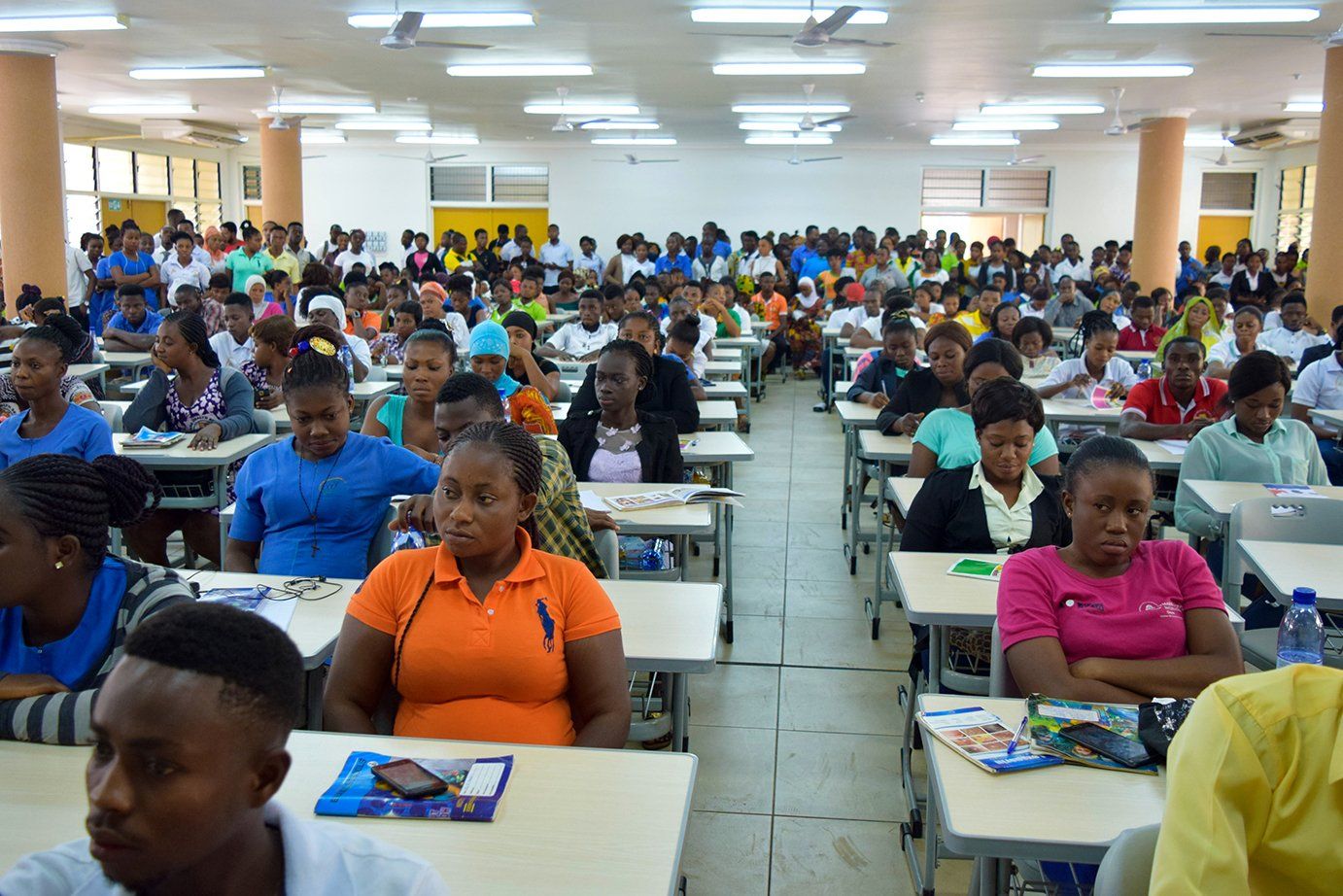
2. In 2019, MPA partnered with UNAIDS, the Youth Employment Agency (YEA) and the Ghana Health Service (GHS) to review the Implementation Guidelines of the CHW programme and ensure stronger linkages of CHWs programme with the UNAIDS 90-90-90 HIV targets and universal health coverage. The meeting also discussed the nature and scope of the CHW Programme, reviewed the
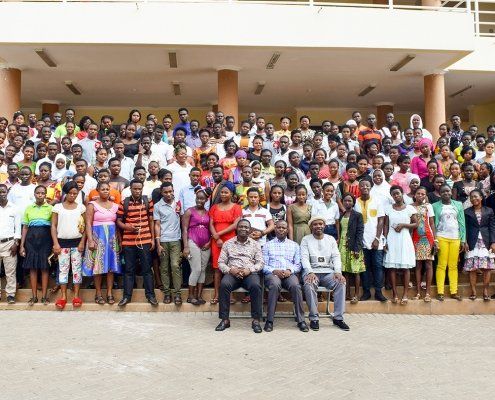
National CHW Implementation Guidelines to reflect experiences from the previous phase of implementation as well as current evidence on best practices. About 50 participants attended the meeting. A Technical Working Group (TWG) was constituted at the end of the consultation to finalize the CHW Guidelines and revise the CHW Training Manuals. The TWG held two working sessions as outlined below.
3. Review of
CHW Training materials undertaken in third quarter of 2019. A total of 20 separate documents were reviewed, including:
• Three modules of the CHW Facilitators manuals
• Three modules of the CHW Participants manuals
• Three modules of the Job Aids
• The CeTracker User Manual
• Eight booklets of the CHW visit
• The CHW counseling cards
• CHW hand book
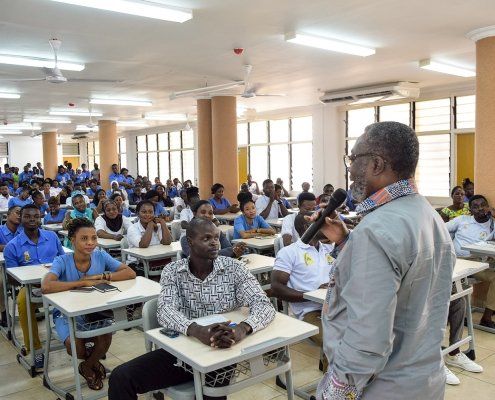
4. MPA supported the national and cascade training of health workers for the school health screening exercise. MPA led the training of Trainers Workshop on School Medical Screening for 90 health officers in Kumasi in September, 2019. The Government of Ghana in 2017 launched the School Health Screening for pre-tertiary students across the country with the goal to ensure optimal health, nutrition and wellness of the students and contribute to improved learning outcomes. Since the inception, MPA has been collaborating with the Ghana Health Service and Ghana Education Service to provide health screening for the students.
5.
Project Impact Documentary.
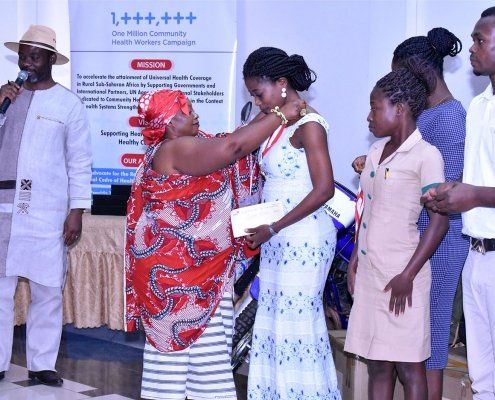
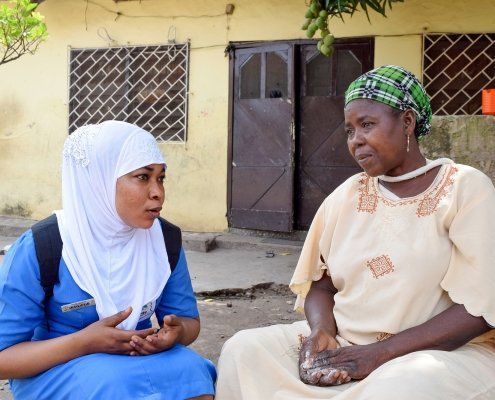
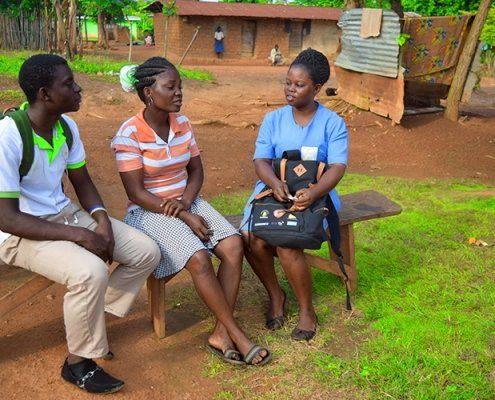
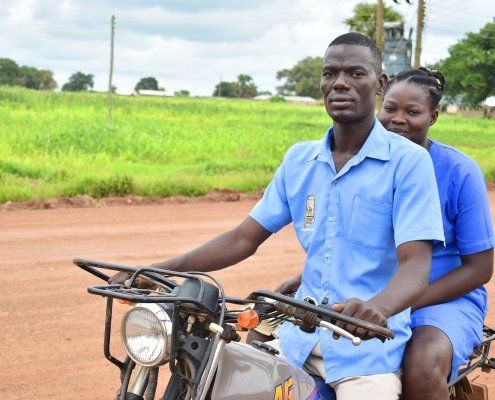
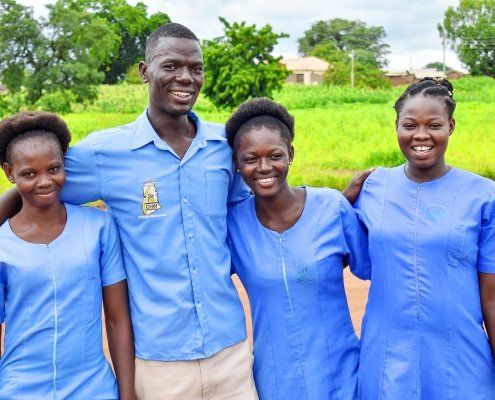
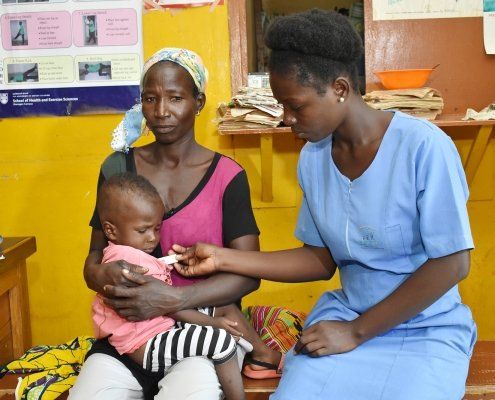
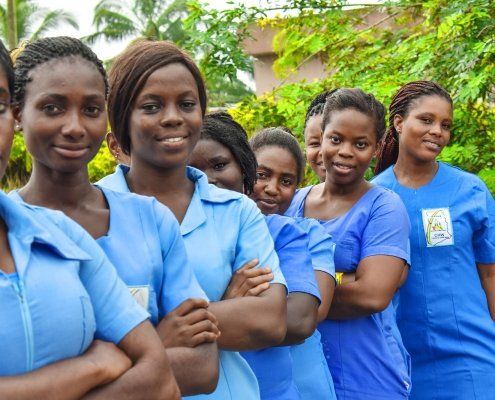
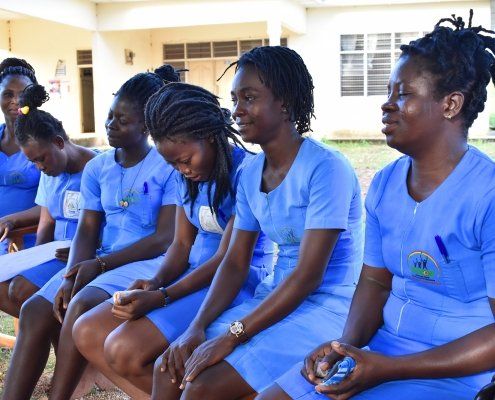
MPA produced a documentary to share the success story of the CHW Program. Five regions were selected for this exercise thus, Ashanti, Upper East, Northern, Central and Greater Accra regions. The goal was to create an advocacy, storytelling tool that the YEA, GHS and MPA can use to rally support for additional funding. The “success spotlight stores” identified four core angles the CHW program has made an impact: Job satisfaction, Acceptability in the health sector, Community members wellbeing and Closing or filling gaps in access to healthcare. Various stakeholders from national to the household level indicated that the CHW Programme is a game changer to solving lots of health challenges at the community and household levels, thereby enhancing CHPS’ capacity to achieve universal health coverage.
6. The
CHW endline evaluation
was conducted in November 2018 and completed in 2019. The surveys were conducted within the seven pilot districts, namely Amansie Central, Amansie West, Asokore Mampong, Bosome Freho, Ejura Sekyidumasi, Sekyere Central and Sekyere Kumawu. Data were collected using household-based paperless quantitative survey methodology with questionnaires programmed on Android tablets used by the survey enumerators. Overall, the endline evaluation assessment revealed that the project had taken important strides in the positive direction in terms of developmental gains delivered to the project’s beneficiaries.
7.
Partnership with Ghana Red Cross Society (GRSC). The search for sustainable solutions for the CHW programme led MPA to partner with the Ghana Red Cross Society. An MoU was signed in December, 2019 to strengthen the GRCS’s Community Health Volunteers which has over 60,000 members with presence in all regions of the country. The programme has a strong community-based presence and high sustainability potential. Under the MoU, MPA will support redesign the GNRS health volunteer programme to situate it properly within a “One Health” Context, adapt the national CHW Implementation Guideline and Training Manuals, Build capacity of the community health volunteers and their supervisors, map and link volunteers to the primary health care systems, provide logistics (smartphones, backpacks, and commodities) for service delivery and monitoring.
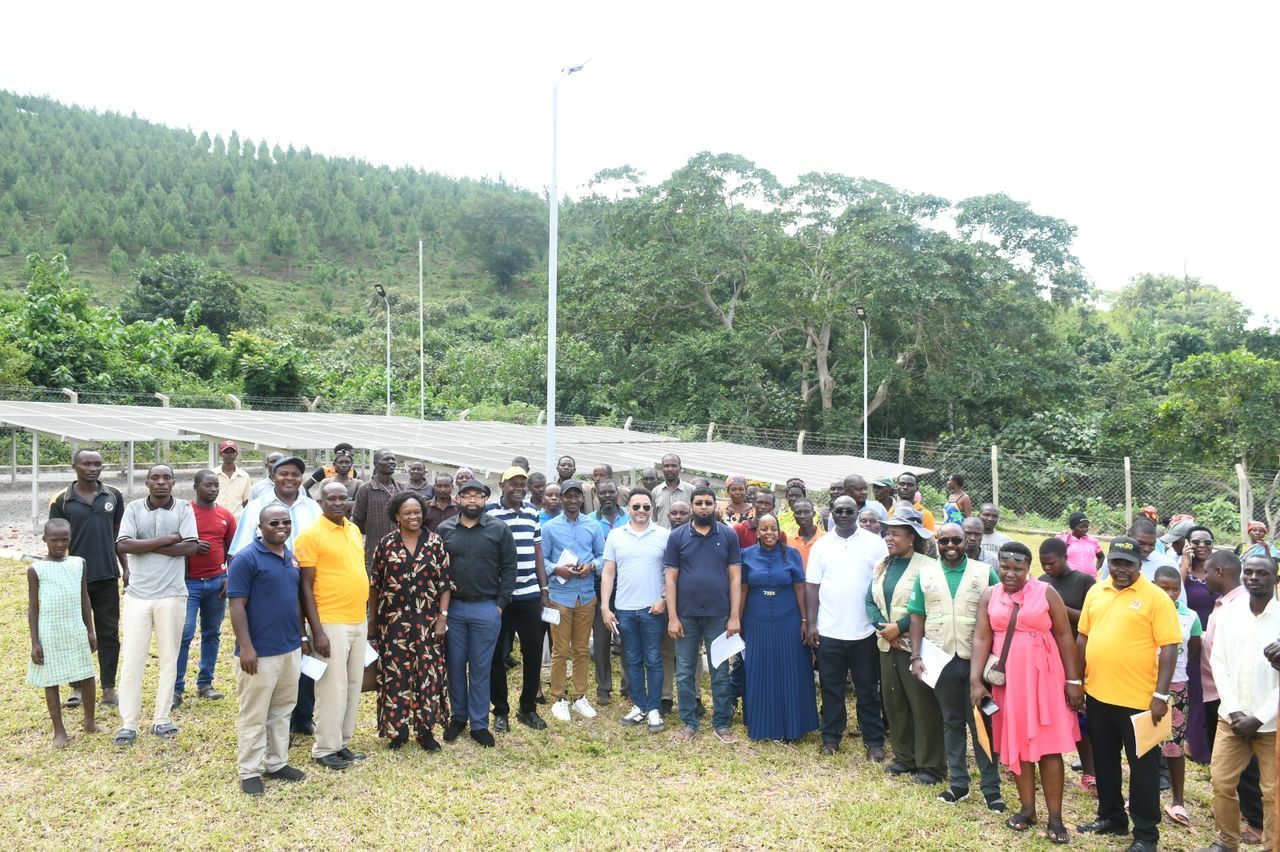
The Government of Uganda, through the Ministry of Local Government , is set to expand the Local Economic Growth Support (LEGS) project from 17 to 55 districts, marking a major milestone in strengthening community resilience and livelihoods. The Ministry of Local Government, together with the Islamic Development Bank (IsDB) and the Lives and Livelihoods Fund (LLF) , led an appraisal mission in July 2025 to review the achievements of LEGS I and hear directly from communities. Supported by the Islamic Development Bank and the Lives and Livelihoods Fund, the LEGS project strengthens rural livelihoods through coordinated investments in agriculture and natural resource management, including expanded water access for households and production, improved market infrastructure, and greater availability of affordable microfinance. As part of the recent assessment, the delegation engaged with district officials, project beneficiaries, and implementation staff to review progress to date. Findings from these consultations will inform the design of Phase II, with a focus on scaling climate resilience and ensuring durable impact . Community Transformation in Action From safe, piped water in Kyejonjo and Katakwi , to new solar mini-grids powering cooperatives in Magoro , LEGS has already demonstrated how integrated infrastructure and livelihoods support can change lives. Health centers now have reliable water, youth cooperatives are saving and reinvesting in local businesses, and women farmers are using climate-smart tools to increase yields and income. Millennium Promise Alliance: Partnering for Scale As an implementing partner, Millennium Promise Alliance plays a central role in coordinating service delivery, providing technical expertise, strengthening monitoring and evaluation systems, and integrating climate-smart agriculture and sustainable livelihoods into local government plans. In this project, MPA Uganda works closely to support the Ministry of Local Government Uganda. MPA ensures that project investments translate into measurable impact aligned with the Sustainable Development Goals (SDGs). During the appraisal mission to guide the forthcoming scale-up, Mr. Samuel Travis , MPA’s Director of Corporate Affairs , and Dr. Seth Ohemeng Dapaah , Director of Monitoring, Evaluation, and SDGs , joined stakeholders in the field to review progress and meet with community beneficiaries. They were welcomed by Dr. David Siriri , Country Director , Millennium Promise Alliance Uganda, whose leadership on the ground has been instrumental in driving results in Uganda. “Our work is about ensuring investments reach people where they live; turning financing into energy for households and businesses, equipment for farmers, and opportunities for young entrepreneurs,” said Mr. Travis , noting the importance of partnerships in sustaining results. Dr. Dapaah emphasized the learning agenda: “By strengthening monitoring and evaluation, we ensure that communities and policymakers have the data needed to scale what works and adapt where needed. This is how we build resilient systems, not just projects.” Dr. David Siriri also shared, "The expansion of LEGS will reflect what we witness in the field every day: when communities receive the right tools, infrastructure, and support, they accelerate their own development. This success is made possible through strong partnerships between communities, district governments, the Ministry of Local Government, IsDB, LLF, and our team on the ground. As we move into Phase II, our priority is to scale solutions that are already improving lives while ensuring these investments remain sustainable for generations.” The Path Forward With the expansion to 55 districts, LEGS II will prioritize: Climate adaptation through resilient crops, water harvesting, and infrastructure Local governance capacity to manage and sustain investments Financial sustainability via community revenue and cooperative models Impact measurement to capture lessons and scale best practices For the Ministry of Local Government, IsDB, LLF, and implementing partners like MPA and others, this is a blueprint for how integrated, people-centered development can lift rural communities and accelerate Uganda’s progress toward the SDGs. We will provide more news on the impacts and progress of the LEGS project soon.
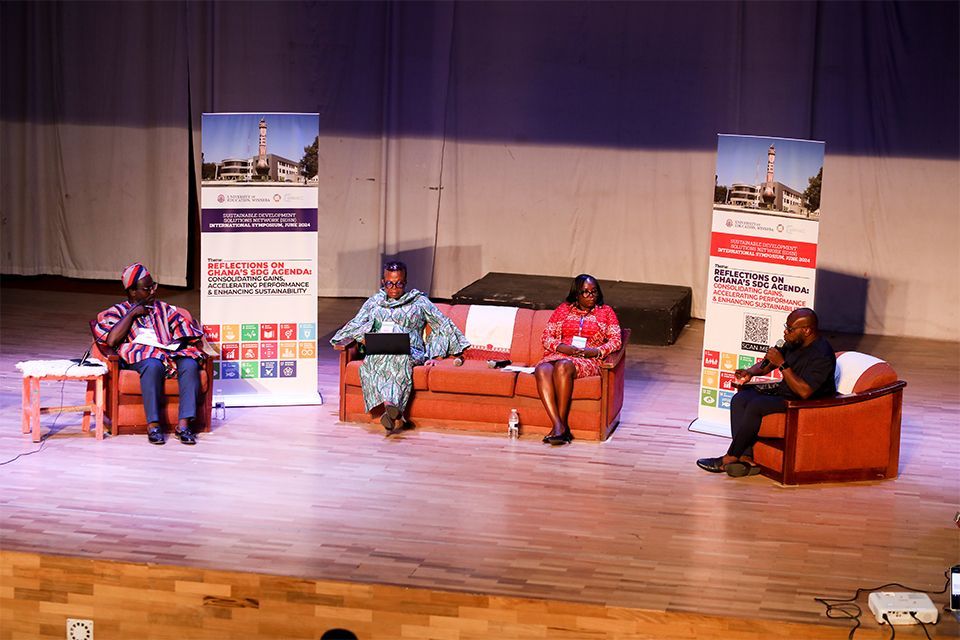
The University of Education, Winneba (UEW), in collaboration with the Sustainable Development Solutions Network (SDSN), Ghana hosted the maiden international symposium on SDGs on Wednesday June 19, 2024. The symposium used a participatory approach to engage a wide range of stakeholders to discuss, review and share data on Ghana’s SDGs achievements. Some of the issues discussed included Climate change, eco-sustainability and livelihood through the prism of the SDGs, Achieving sustainability through innovation, technology and empowerment, leveraging technology, innovation and digitalization to initiate new possibilities on the SDGs in Ghana and a panel discussion on empowering communities to own the SDGs through school curricula and social campaign. Prof. Stephen Jobson Mitchual, Vice-Chancellor (known elsewhere as President) of UEW, in his welcome address emphasized the university's commitment to sustainability through education, research, and community engagement. He highlighted the partnership between UEW and SDSN as a testament to their dedication to sustainable development. Prof. Mitchual expressed UEW's readiness to collaborate with other universities globally to mobilize scientific and technological expertise and resources for implementing the SDGs.
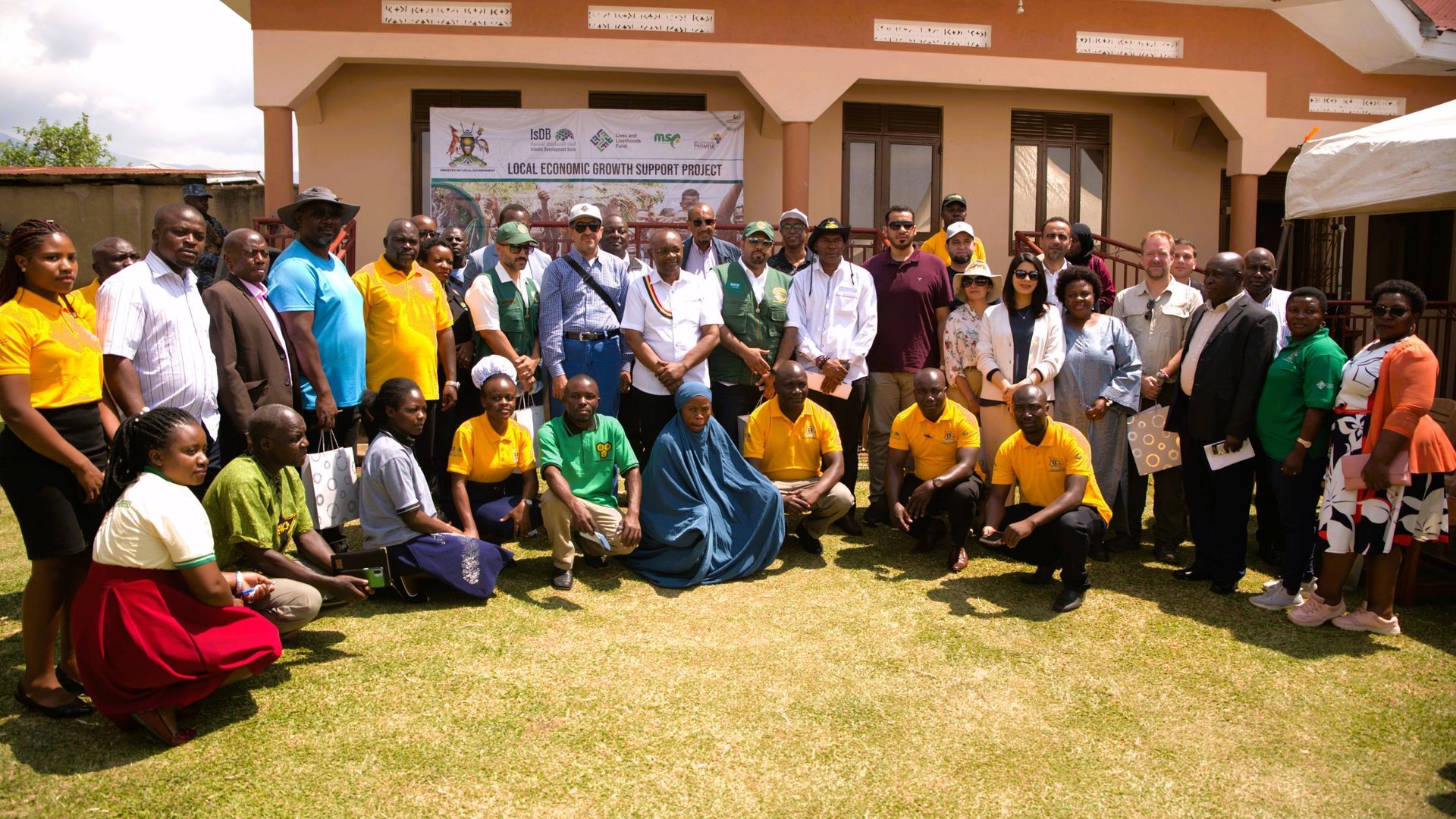
Lives and Livelihoods Fund Engages with Ugandan Officials to Boost Economic Growth and Food Security
The Ministry of Local Government, Uganda, hosted a 13-member senior delegation from the Lives and Livelihoods Fund (LLF) from August 14–18, 2023. The 5-day working visit was organized under the LLF-supported initiative, titled, Local Economic Growth Support (LEGS) Project, co-financed by the Government of Uganda through the Ministry of Local Government. The Project is executed through the Ministry of Local Government with The Microfinance Centre (MSC) and Millennium Promise Alliance, Uganda as an Implementing Partner and Technical Backstopping Consultant. The LEGS project is a collaborative initiative of global partners such as the Abu Dhabi Fund for Development (ADFD), Islamic Development Bank (IsDB), the Bill & Melinda Gates Foundation, the Islamic Solidarity Fund for Development (ISFD), and King Salman Humanitarian Aid and Relief Centre (KSrelief). The LEGS Project covers 17 Districts of Uganda including Adjumani, Alebtong, Bunyangabu, Buikwe, Buyende, Gomba, Kabarole, Katakwi, Kyenjojo, Kibuuku, Kumi, Luweero, Nakaseke, Ntoroko, Nwoya, Rukungiri and Tororo. The objective of the workshop was to articulate and reinforce the joint efforts of the Fund and the Government of Uganda in prioritizing medium to long-term development goals such as poverty reduction, sustainable development, and climate change management through the LEGS project. The Islamic Development Bank investment in Uganda through the Lives and Livelihoods Fund (LLF) has been a milestone achievement for the country. The Fund started its field activities in 2019 through a US$ 33 million flagship initiative to construct rural infrastructure and $10 million IsDB Rural Finance Scheme loan for the Local Economic Growth Support (LEGS) Project, covering the 17 districts. LLF’s work in Uganda supports a range of direct and indirect sectors, while focusing on three programmatic pillars: agricultural productivity and value chain development sustainable and inclusive economic growth human capital and institutional capacity development The LLF partners witnessed the impacts of LEGS Project during the mission visit. The delegation headed by Dr. Issahaq Umar Iddrisu, Manager Islamic Development Bank Regional Hub Kampala, engaged in senior-level talks with Ministers and Permanent Secretaries of Ministry of Local Government; Ministry of Finance, Planning and Economic Development; Ministry of Tourism, Wildlife and Antiquities; Ministry of Water and Environment; Ministry of Agriculture, Animal Industry and Fisheries; and Ministry of Trade, Industries and Cooperatives. The meetings focused on fostering greater collaboration towards ensuring steady economic growth and sustainable food security in Uganda.
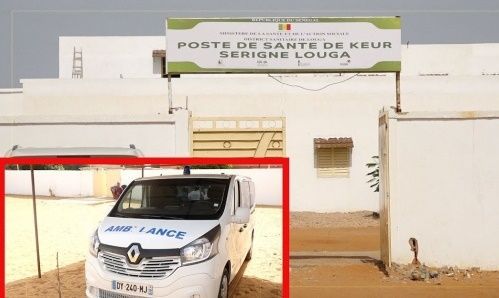
The Support Project for the Development of Female Entrepreneurship and Youth Employment (PADEF-EJ) coordinator, Mame Thierno Gueye and the Governor of Senegal's Louga region, El Hadj Bouya Amar, on Wednesday, August 9th 2023, officially launched an ultra-modern health center in the Keur Serigne Louga district. The health center includes an ambulance, two reception rooms, offices, treatment, observation and hospitalization rooms. The medical post also has a maternity ward, pharmacy, and staff accommodations. Millennium Promise Alliance is supporting PADEF-EJ by providing technical assistance, and implementation of the infrastructures and services components including the establishment of the new health post. The new health infrastructures are a result of a partnership between PADEF-EJ and the Association of Residents of the Keur Serigne Louga district. The center will solve a great obstacle of lack of quality healthcare for the surrounding communities. The center and medical expertise have been well received as up to now, more than 1,700 people have been consulted by practitioners. The health center is also contributing to a reduction in home births, thus far, 27 women haven given birth in the new maternity ward. The project coordinator, Mame Thierno Gueye, declared that PADEF-EJ embraces the State's vision based on the observation that Senegal is faced with a deficit in terms of basic social infrastructure, particularly health. "As part of PADEF-EJ, in partnership with Millennium Promise, the project continued an initiative of emigrants from the Keur Serigne Louga Sud district who had already started to build this building," informed Mr. Gueye. He points out that "the position has made it possible to solve a good part of the problems of home birth in the Keur Seringe Louga district and the surrounding districts".
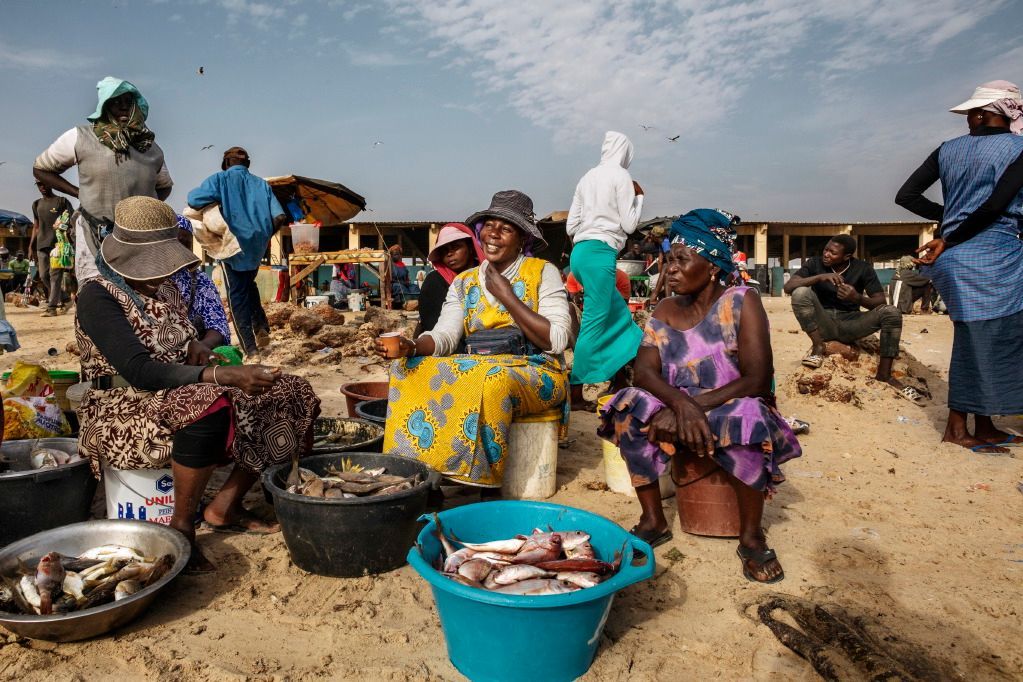
The Support Project for Women's Development and Entrepreneurship and Youth Employment (PADEF-EJ) will soon provide women in the Louga region with an agricultural shopping center and a cereal processing unit worth an estimated 168 million FCFA, as shared on Monday, August 7th, 2023, by head of its value chain, Ms. Seynabou Dia. “We have just visited two infrastructures, an agricultural shopping center and a cereal processing unit, built by PADEF-EJ, which will be made available to women in the Louga region in the coming months,” she declared. Speaking after a visit to these two infrastructures, Ms. Dia indicated that "the rate of execution of the works of the processing unit is at 75%, while that of the agricultural shopping center is at 78%.” These two infrastructures, she said, will be delivered within two months. The cereal processing unit, which is located in the Medina Salam district, is made up of a warehouse for storing raw materials, a processing room, a packaging room, a product storage room, an office for the producers, a point of sale and housing for the concierge. The agricultural shopping center, which is located in the Montagne extension district, it is made up of 60 stores, stalls, and a hall for women to market and sell products more efficiently. Ms. Seynabou Dia specified that, "the beneficiaries are exclusively women from economic interest groups selected on the basis of criteria validated by the regional committee headed by the governor of the Louga region".
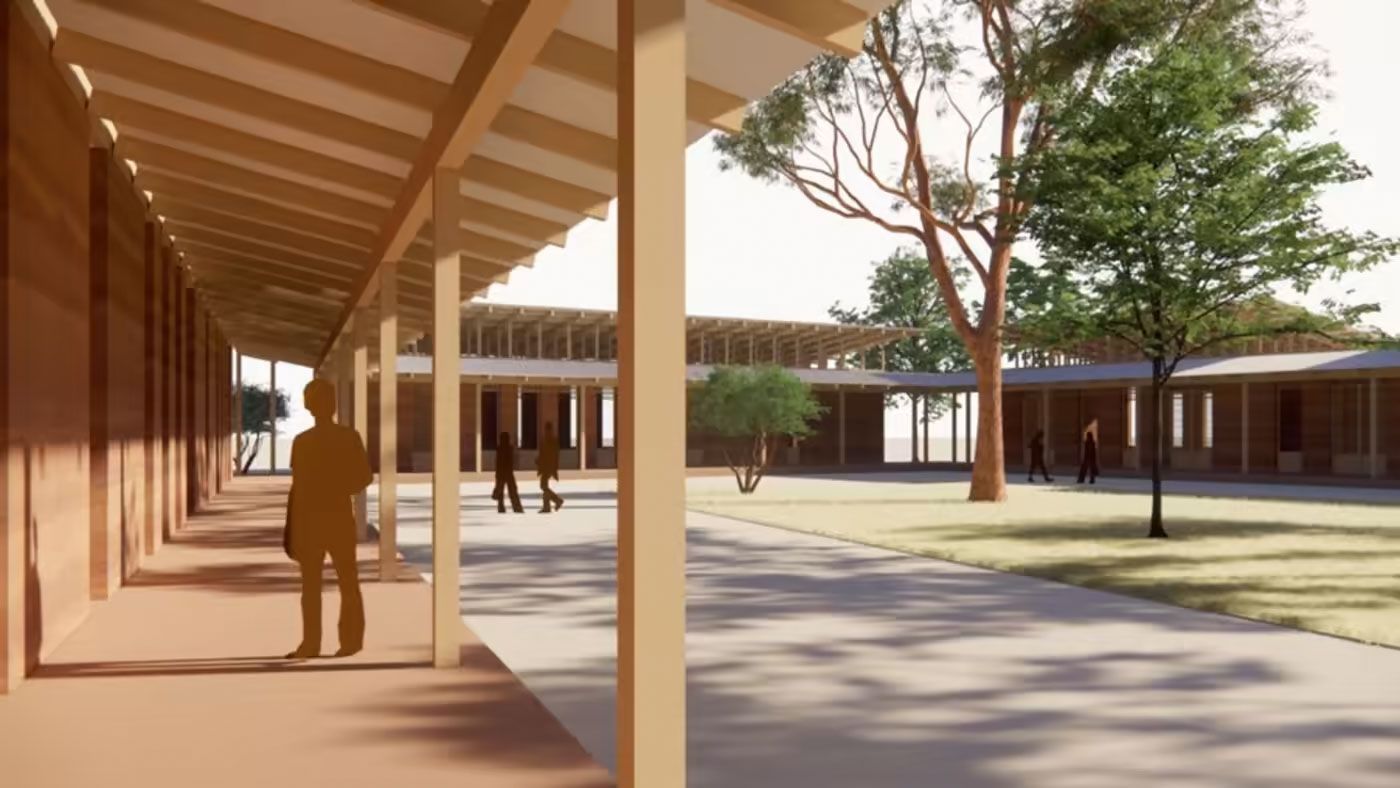
SDG Promise Japan, a Tokyo-based nonprofit organization offering poverty reduction programs and other support measures to vulnerable populations will build a vocational school in Ghana. The world-famous architect Kengo Kuma is designing the school. Known for designing the main stadium of the 2021 Tokyo Olympics, a trip to Africa in 1978 was an eye-opening experience that shaped Kengo Kuma's design philosophy. Now, he is ready to reciprocate by designing the vocational school in Ghana, free of charge. SDGs Promise Japan will lead the construction and project. Millennium Promise Alliance is providing technical support to SDGs Promise for the vocational school project. The Ghana Vocational Training Institute will be built in the town of Manso Nkwanta, in Ghana's Ashanti region. The site is close to where Kuma visited as a graduate student. " The most important trip in my life was to West Africa when I was a graduate student, " Kuma told reporters. He recalled traveling south across Algeria to Niger, facing nothing but desert for days. " It was only when we arrived in Ghana that we came across green plants. It felt like I came home to Japan," he said. "Soil, trees and grass. The basic elements of all my designs were inspired by my trip to Ghana. " The facility comprises classrooms and dormitories set amid lush green trees, where students between 18 and 35 years old will take classes in stonemasonry, plumbing, carpentry, and other vocations -- over three years. The first classrooms will be ready late summer, and the rest will be built in accordance to funds raised for the project. The cost will be covered by the Japanese government's aid programs as well as crowdfunding. The idea is to offer local citizens a path to proper employment, as opposed to taking part in illegal gold mining, which is becoming prevalent in the region.
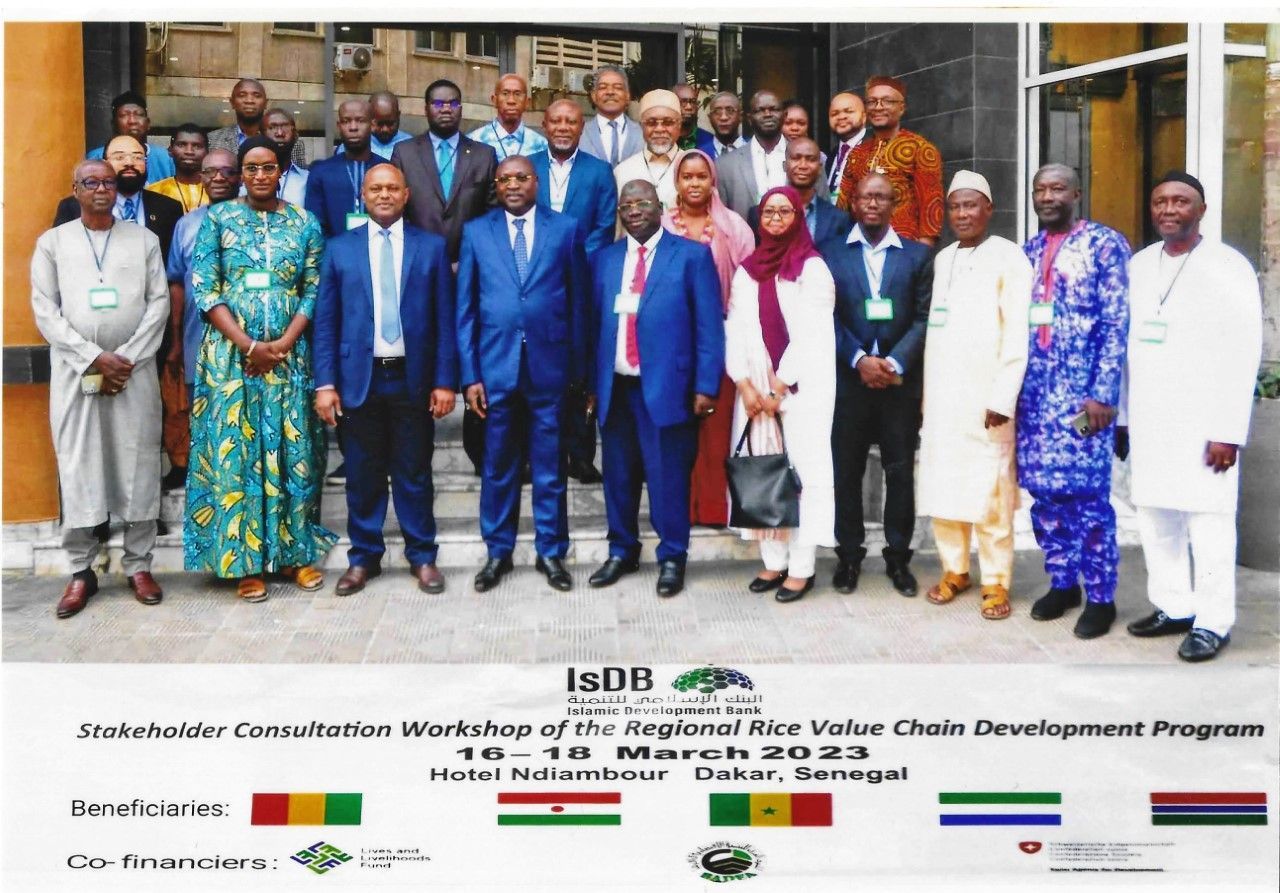
Millennium Promise Alliance attends the IsDB 2023 RRVCP Midterm Review Workshop which took place March 16-18 in Dakar, Senegal
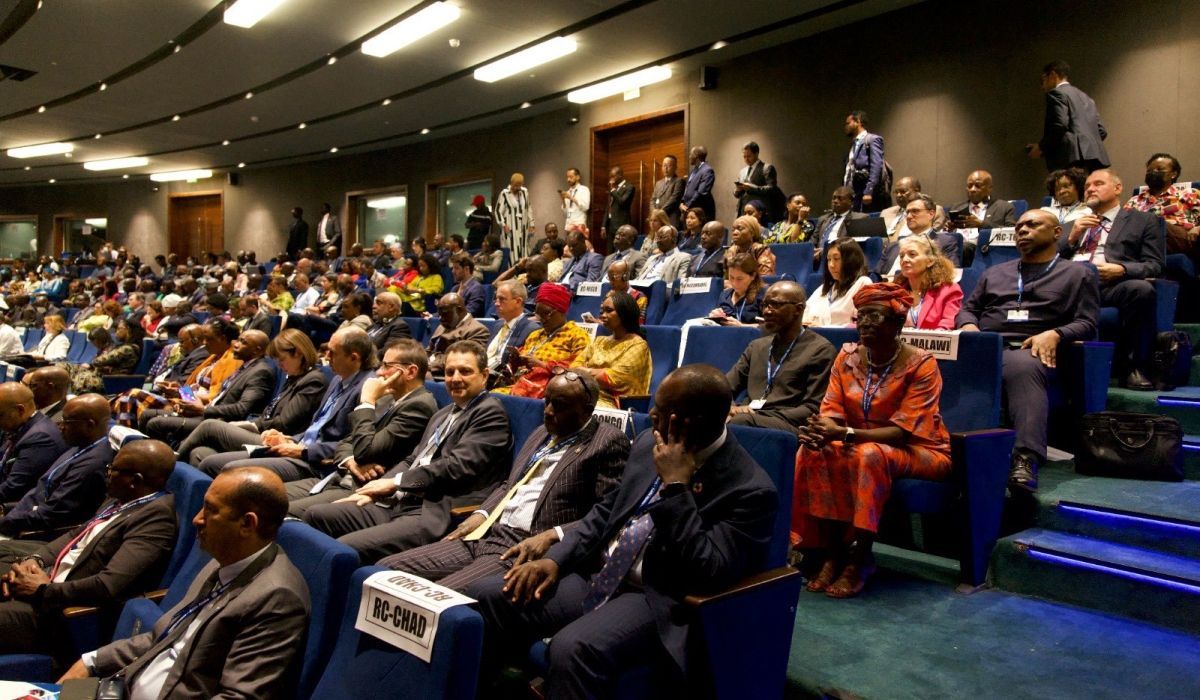
Remarks from the Voluntary National and Local Review Workshop; which was held as a side event of the 9th Africa Regional Forum on Sustainable Development (ARFSD) in Niamey, Niger.
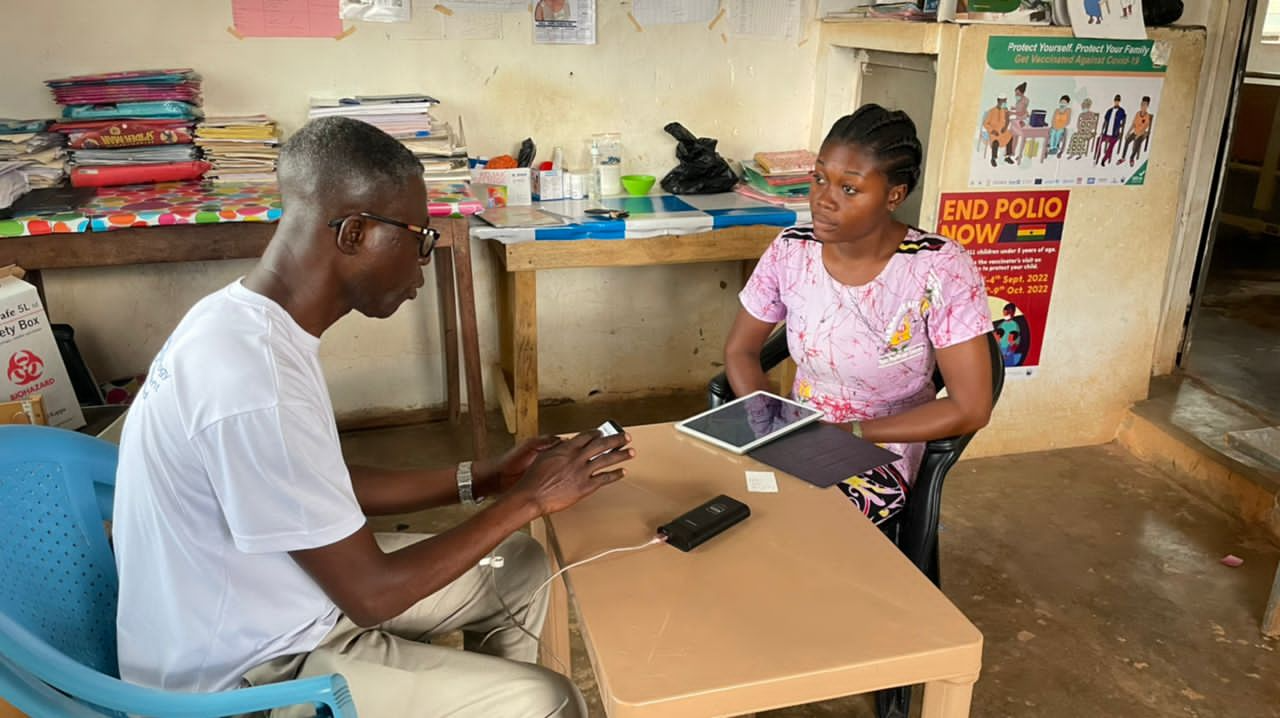
The pilot project is active in more than 10 health facilities in two districts selected by the Ghana Health Service in the country’s Eastern Region.
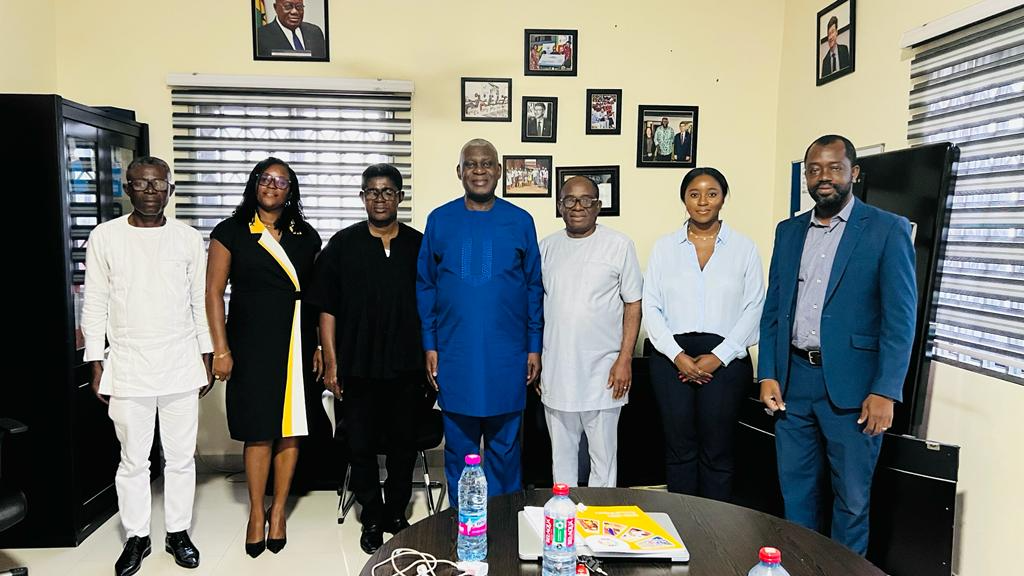
Dr. Eugene Owusu, Special Advisor on the SDGs to the President of Ghana, and Head of the SDGs Advisory Unit in the Office of the President, recently embarked on a courtesy visit to the Millennium Promise Alliance (MPA) offices in Accra, Ghana. The purpose of the meeting was to discuss new areas of collaboration with MPA and the Sustainable Development Solutions Network (SDSN). Dr. Owusu also serves as Chair of the SDSN Ghana Governing Council . The SDGs Advisory Unit was established in August 2017 to provide technical, policy and strategic support to the President of Ghana in his global role as co-Chair of the UN Secretary General’s Eminent Group of Advocates. The SDG Advisory Unit provides support through its three ' P's ', namely Popularization , educational activities on the SDGs, Policy , analytics and outreach, and Partnership building and programming for accelerated implementation of the Goals. Millennium Promise Alliance looks forward to partnering with Ghana's SDG Advisory Unit for further alignment of our synergies to better support all Ghanaians in the journey to achieve the Sustainable Development Goals.